How long to keep kids, pets and cars off a new epoxy floor
By Hannah Nair · Updated 2026-08-04
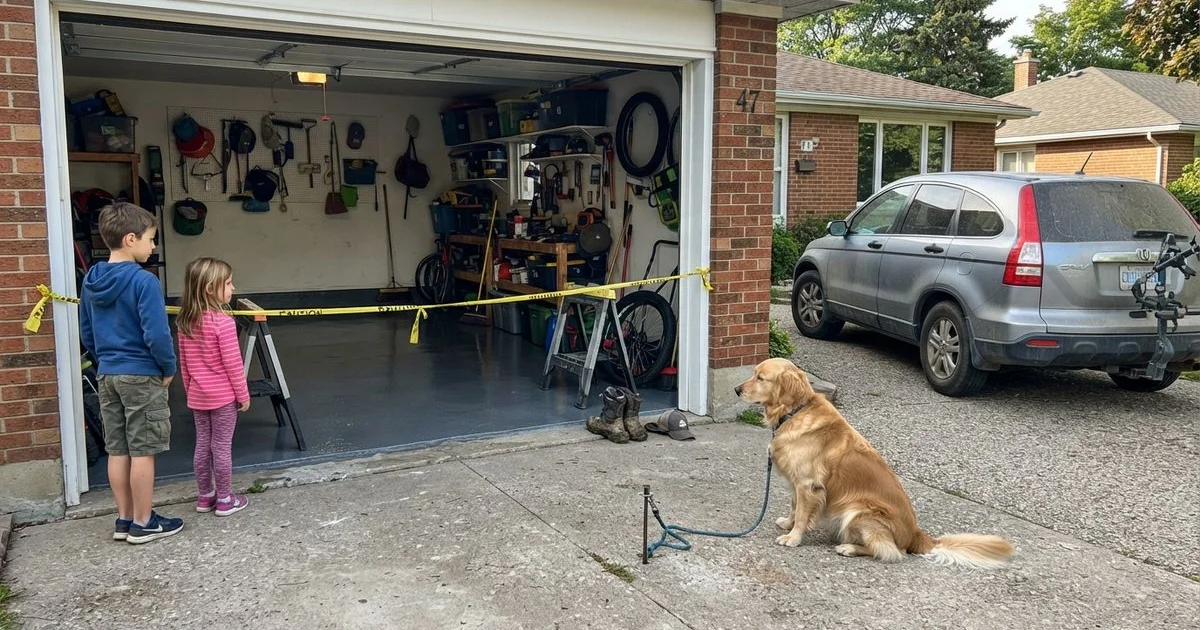
Epoxy and polyaspartic coatings feel dry to the touch well before they are actually finished curing, which is exactly when most premature damage happens. A floor that looks and feels solid a few hours after the last coat can still be soft enough underneath to scuff, dent, or mark permanently.
Why “dry” and “cured” are different things
A coating can be dry to the touch within a few hours, meaning it is no longer tacky or wet-looking, while the chemical process that gives it full hardness and durability, called curing or cross-linking, continues for days longer. Walking on a floor that is dry but not fully cured usually will not cause damage in light amounts, but parking a vehicle on it, or letting a pet’s claws dig in, can leave lasting marks because the surface has not reached its full strength.
Typical wait times
| Activity | Standard epoxy | Polyaspartic |
|---|---|---|
| Light foot traffic (socks, bare feet) | 24 hours after final coat | 12–24 hours after final coat |
| Regular foot traffic, moving light items | 24–48 hours | 24 hours |
| Pets on the floor | 24–48 hours, cats especially cautious | 24 hours |
| Setting up furniture or storage | 3–5 days | 1–2 days |
| Vehicle traffic | 5–7 days | 1–3 days |
| Full chemical resistance (oil, cleaners) | 7 days | 3–5 days |
These are typical ranges. Always confirm exact timing with your installer, since temperature, humidity, and the specific product used all shift these numbers.
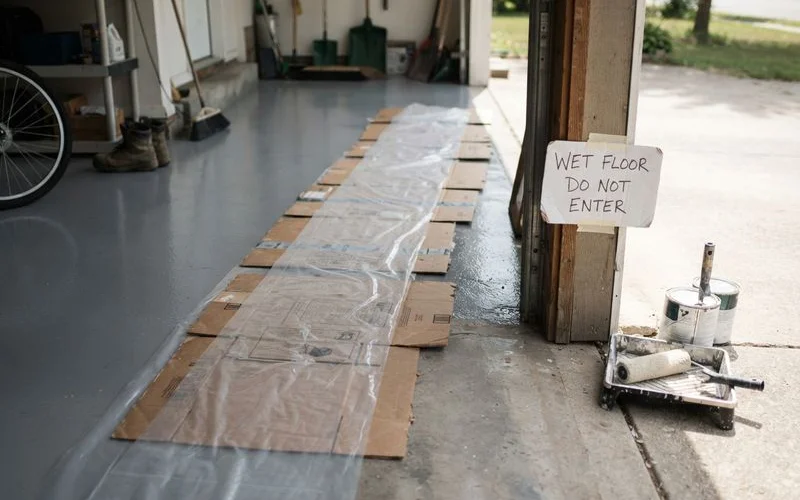
Keeping kids and pets off safely
A freshly coated floor is also a slip and chemical exposure hazard while wet, not just a curing concern. Block access to the room or garage entirely during application and for the first day of cure, a simple barrier or closed door works. Cats are the trickiest pet to manage since they can jump barriers; keeping them in a separate part of the house for the full initial cure window avoids both paw marks in the coating and any exposure to fumes during application.
Why rushing the vehicle timeline is the most common mistake
Vehicle weight, especially combined with warm tires right after driving, is the single most common source of early damage on garage floor coatings. A tire that sits on a floor still curing can leave a visible indentation or a soft spot that never fully hardens in that exact location, sometimes called hot tire pickup when it happens even on a fully cured floor exposed to a hot tire. Getting the vehicle timeline wrong on a brand-new coating is worse, since the coating has not reached anywhere near its full hardness yet. If you are tempted to park a day or two early because the floor “looks done,” that is exactly the scenario that causes lasting marks.
Protecting the floor during the wait
A few practical steps make the waiting period easier to manage. Put up a simple physical barrier, a stretch of caution tape or a temporary gate, rather than relying on everyone in the household remembering not to cross a line on the floor. Label the barrier with the date it can come down, since it is easy to lose track after a day or two. If the garage door needs to open for any reason during the cure window, prop it in a way that does not let a pet slip past unnoticed.
What to do if you’re not sure the floor has fully cured
Ask your installer for the specific cure schedule in writing before the job, tied to the exact product they are using, rather than relying on general online estimates. Temperature and humidity on install day shift these numbers meaningfully, a cool, damp fall day extends cure time compared to a warm, dry one. When your installer says it is ready, that timeline accounts for your specific conditions. If you are ever unsure whether enough time has passed, it costs nothing to wait an extra day, while rushing it can cost you a redo. The Ontario Epoxy Flooring Directory and our methodology page can help you find and evaluate installers who are upfront about these timelines before you book.
FAQ
- How long before I can walk on a new epoxy floor?
- Typically 24 hours after the final coat for standard epoxy, sometimes as little as 12 to 24 hours for polyaspartic. Your installer will give you an exact time based on the specific product and the day's temperature and humidity.
- How long before pets can be on the floor?
- Keep pets off for the same window as foot traffic, at minimum, since paws and claws can leave marks in a coating that has not fully hardened. Cats especially should be kept out of the room entirely until the installer confirms it is safe, since claws can dig into a soft surface more easily than a shoe.
- When can I park my car on a new garage floor coating?
- This takes longer than foot traffic, usually 5 to 7 days for standard epoxy and 1 to 3 days for polyaspartic. Tire weight and heat can indent or mark a coating that has not fully cured, even if it feels solid to walk on.
- What happens if I put weight on the floor too early?
- Marks, indentations, or in worse cases a section that never fully hardens properly, since disturbing the cross-linking process while it is happening can compromise the final hardness. Any of these usually require redoing the affected area, so it is worth the wait.