Do you need a permit for garage floor coating or concrete resurfacing in Ontario?
By Hannah Nair · Updated 2026-08-14
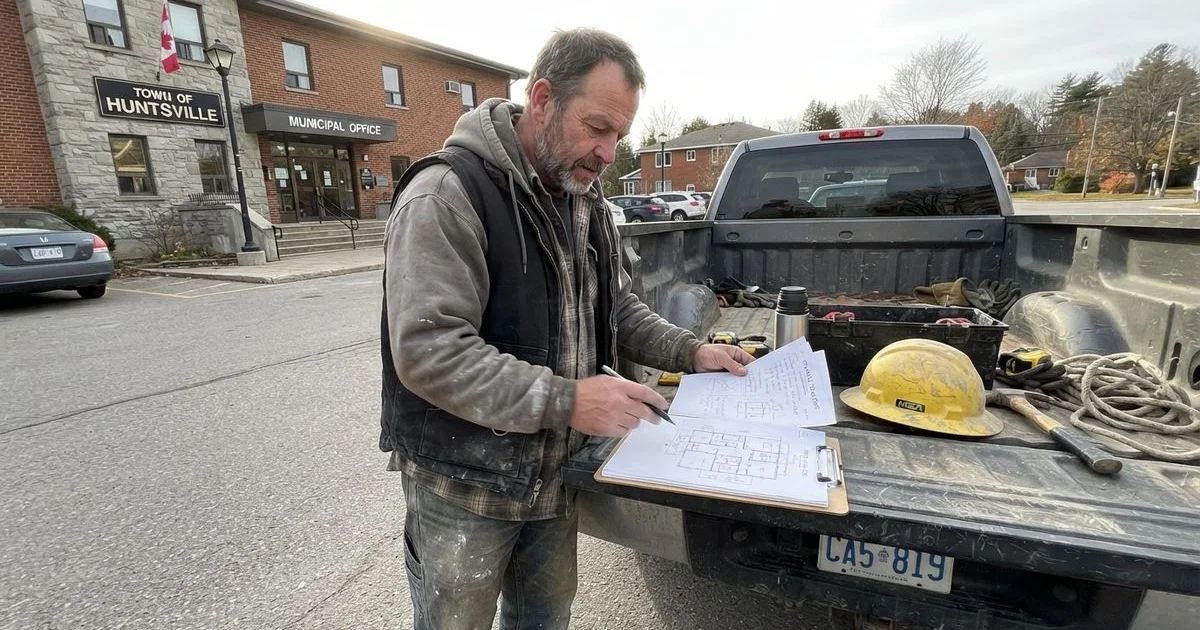
Garage floor coating and concrete resurfacing are two of the more common flooring projects Ontario homeowners take on, and the good news is that most of this work does not require a building permit. There are exceptions worth knowing before you book a job.
This is general information, not legal or regulatory advice specific to your property. Municipal requirements can vary, so confirm directly with your local building department for anything beyond routine cosmetic coating.
Why most coating work is permit-exempt
A building permit in Ontario is generally required for work that affects a structure, load-bearing elements, or life-safety systems, plumbing, electrical, structural changes, additions. Applying an epoxy or polyaspartic coating over existing, sound concrete does not alter the structure in any of those ways; it is a surface finish, similar in category to painting a wall or laying new flooring over an existing subfloor. For this reason, the large majority of garage floor coating and basement floor coating projects proceed without any permit application.
Where it gets less straightforward
| Type of work | Typically needs a permit? |
|---|---|
| Coating existing, sound concrete (epoxy, polyaspartic) | No |
| Thin resurfacing overlay on an existing slab | No |
| Grinding and polishing existing concrete | No |
| Patching cracks or minor spalling before coating | No |
| Removing and repouring a structural slab | Yes |
| Work that changes drainage or grading around a foundation | Yes |
| Any work affecting a structure’s footing or foundation | Yes |
| New construction (a new garage, addition) | Yes |
The distinction generally comes down to whether the work is cosmetic and surface-level versus structural. If your project is limited to coating or resurfacing an existing floor that is not being demolished or structurally altered, it almost always falls in the exempt category.
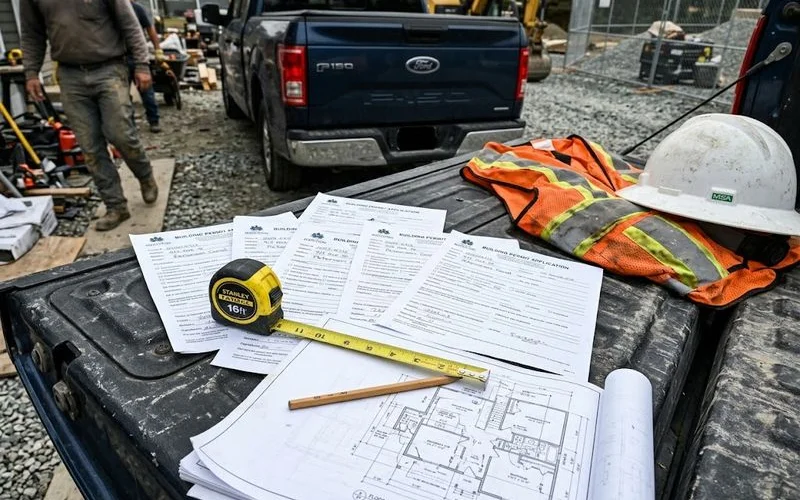
Condos and HOAs add a separate layer
Municipal permit rules are not the only approval that might apply. Condo corporations frequently have their own renovation approval process, sometimes requiring notice or sign-off even for work that would not need a municipal permit, particularly if it involves noise during set hours, use of common elevators or hallways, or any modification within a unit. Some homeowner associations in newer subdivisions have similar covenants. Check your specific condo declaration or HOA bylaws, or ask your property manager, before scheduling work if you live under either arrangement.
What a reputable installer will tell you
An experienced installer working across Ontario has usually run into these questions before and can generally tell you, based on the scope of your project, whether it falls into permit-exempt territory. That said, an installer confirming “you won’t need a permit” is not the same as an authoritative answer from your municipality, and installers are not typically in a position to advise on condo or HOA-specific rules. For anything beyond a standard coating or resurfacing job, particularly if crack repair reveals more significant slab damage once work starts, a quick check with your local building department is worth the ten minutes it takes.
What happens if prep work uncovers bigger problems
Sometimes a routine coating job turns up more than expected once grinding starts, a crack that runs deeper than it looked, or a section of concrete that is more deteriorated than the surface suggested. In most cases, patching and repairing that damage as part of the coating job is still cosmetic work and stays permit-exempt. It is only when the recommended fix moves toward removing and repouring a structural section of the slab that the project could cross into permit territory. A good installer will flag this shift clearly and tell you if the scope of work has changed enough to warrant a call to the municipality. Get any change in scope added to your written agreement; our guide on contracts and warranties covers what to check before signing.
Bottom line
For the overwhelming majority of garage floor coating and concrete resurfacing projects in Ontario, no permit is required, since the work is cosmetic and does not touch the structure. The exceptions involve structural slab replacement or foundation-adjacent work, and separately, condo or HOA approval processes that exist outside the municipal permit system entirely. When in doubt, a short call to your municipality settles it before work begins, not after.
Once you have clarity on the permit question, the Ontario Epoxy Flooring Directory can help you find an installer familiar with this process, and our methodology page explains how those installers are rated.
FAQ
- Do I need a permit to coat my garage floor with epoxy?
- Generally no. Applying an epoxy or polyaspartic coating to existing concrete is considered a cosmetic, non-structural finish and typically does not require a building permit under the Ontario Building Code in most municipalities.
- What about resurfacing or replacing a damaged concrete slab?
- This depends on the scope. Resurfacing with a thin overlay on an existing sound slab is usually permit-exempt, similar to coating. Removing and repouring a structural slab, or work that affects drainage, grading, or a structure's footing, generally does need a permit.
- Does a condo or HOA require separate approval?
- Possibly, separate from any municipal permit. Some condo corporations and homeowner associations have their own rules about renovations, even cosmetic ones, especially if the work involves any noise, shared access, or common elements. Check your condo declaration or HOA bylaws before booking work.
- How do I confirm what my specific municipality requires?
- Contact your local municipal building department directly. Requirements can vary slightly between municipalities across Ontario, and a quick call or website check before booking work avoids any surprises.