Is epoxy flooring worth it? Cost, lifespan and return on the investment
By Hannah Nair · Updated 2026-06-25
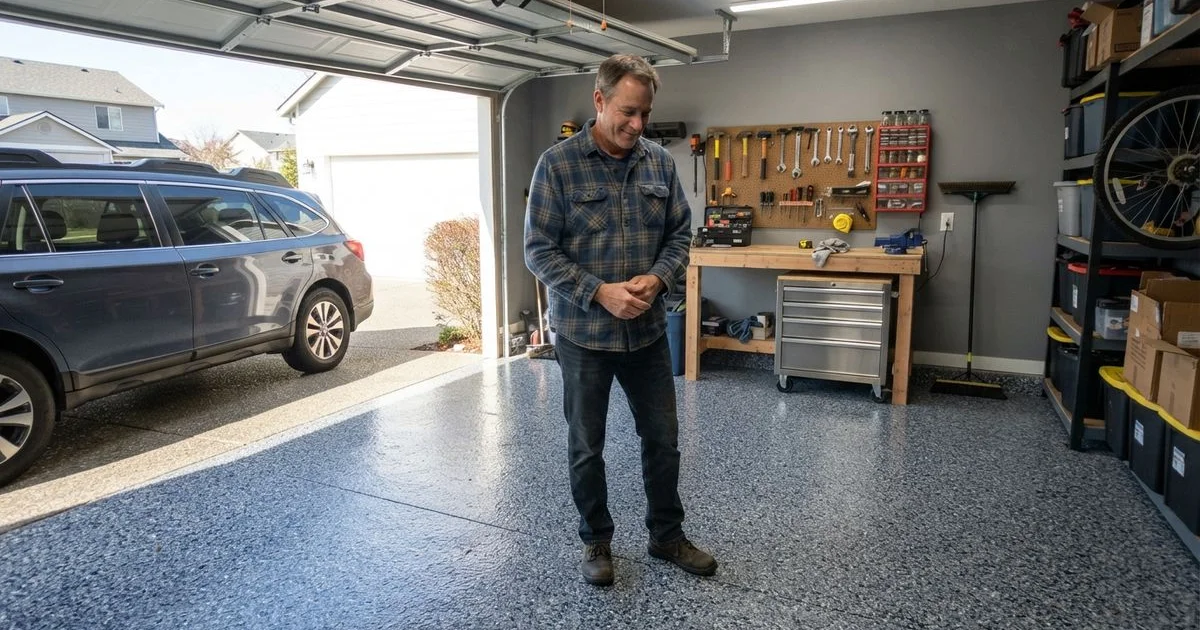
Epoxy flooring costs more upfront than leaving concrete bare or painting it with a basic sealer. Whether that extra cost is worth it depends on how long you plan to use the space, how hard you use it, and what the alternative actually costs once you add up replacement and repair over the same years.
The real comparison: cost per year, not cost per project
A bare or painted concrete floor costs little to nothing extra upfront, but concrete paint typically wears through in one to three years of vehicle or foot traffic and needs reapplying. A properly installed epoxy or polyaspartic system costs more at the outset but holds up 10 to 20 years with normal care. Spread the cost over that lifespan and epoxy usually comes out cheaper per year of use, even though the sticker price is bigger.
| Flooring option | Typical upfront cost | Typical lifespan | Approx. cost per year |
|---|---|---|---|
| Concrete floor paint | Low | 1–3 years | Low, but repeats often |
| Sealed/stained concrete only | Low–moderate | 5–10 years | Moderate |
| Standard epoxy coating | Moderate | 10–15 years | Low over time |
| Polyaspartic coating | Moderate–high | 12–20 years | Low over time |
These figures are directional, meant to show how the math shifts once lifespan enters the picture, not a substitute for a quote on your specific floor.
What actually makes a coating last its full lifespan
Lifespan depends more on installation quality than on which product you pick. A floor with thorough surface prep, proper primer, and enough coats applied within the right cure windows will outlast a rushed job on the exact same coating system. This is the single biggest variable in whether epoxy “is worth it” for a given homeowner: a well-installed basic epoxy floor beats a poorly installed premium one every time.
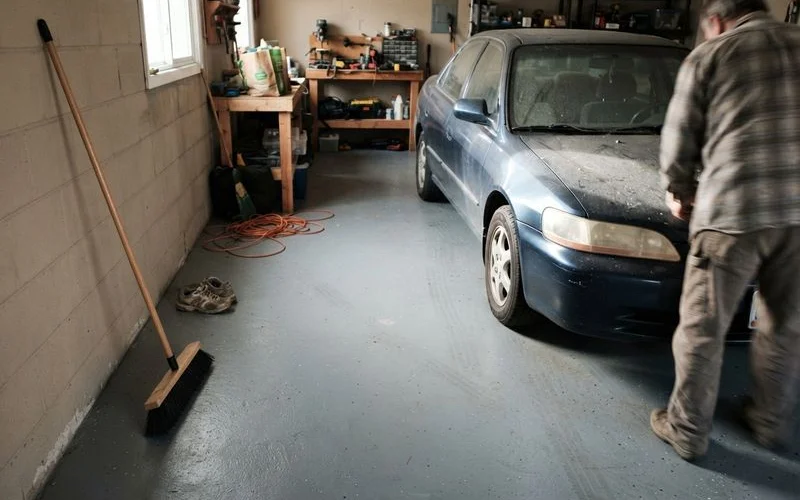
Where epoxy pays off fastest
Garages and workshops see the clearest return, since bare concrete in those spaces takes the most abuse from tires, dropped tools, oil, and in Ontario, road salt tracked in every winter. A coated floor in a heavily used garage often earns back its cost in avoided repainting and concrete repair within five to seven years. Basements and living spaces get a different kind of value: a finished, easy-to-clean floor that resists moisture better than carpet or some laminate options, which matters in spaces prone to occasional dampness.
Commercial and industrial floors are a slightly different calculation, since downtime during installation has a real cost. A facility that can only close for a weekend needs to weigh a faster-curing polyaspartic system against a cheaper standard epoxy that needs more days to cure, even if the standard system costs less per square foot.
When it is not worth it
If you are planning to move within a year or two, or the space sees very light use, the upfront cost may not pay back before you leave. A rental property where the landlord is not planning to hold it long-term is a similar case; the next owner captures the benefit, not you. In those situations, a basic concrete sealer or paint may be the more sensible spend.
Factoring in your own time and hassle
There is a less tangible piece of the value equation worth naming: how much you value not dealing with a flooring problem again for a decade or more. A homeowner who dreads scheduling contractors and coordinating access will weigh a longer-lasting option more heavily than the pure dollar math suggests, since the alternative is repeating the process, and the disruption that comes with it, sooner. That is a legitimate part of the decision, even if it does not show up on a cost spreadsheet.
Getting a floor that actually delivers the payoff
The value math above only holds if the floor is installed correctly and lasts its expected lifespan. Compare quotes on what surface prep and warranty coverage they include, not just the price per square foot, since a cheap job that fails early erases the cost advantage entirely. The Ontario Epoxy Flooring Directory rates installers on more than price, and our methodology page explains what goes into those scores.
FAQ
- How long does epoxy flooring actually last?
- A properly installed residential epoxy floor typically lasts 10 to 20 years before it needs recoating, depending on traffic and maintenance. Commercial and industrial floors under heavier use may need a fresh topcoat every 5 to 10 years.
- Is epoxy flooring cheaper than the alternatives in the long run?
- Usually, yes, once you factor in lifespan. Tile or vinyl flooring in a garage or basement often needs replacing sooner and can trap moisture underneath, while a sealed epoxy floor holds up to spills, tire traffic and freeze-thaw cycles with minimal upkeep.
- Does epoxy flooring add resale value to a house?
- It is not usually a line item buyers ask about directly, but a clean, finished garage or basement floor removes an objection during showings. It reads as a well-kept home rather than adding a specific dollar amount to the sale price.
- What's the biggest reason epoxy floors fail early?
- Skipped or inadequate surface prep is the most common cause. A coating applied over concrete that was not properly ground and cleaned will not bond well, and the finish can peel or bubble well before its expected lifespan.