Basement flooding and epoxy floors: what to do and when to recoat
By Hannah Nair · Updated 2026-07-30
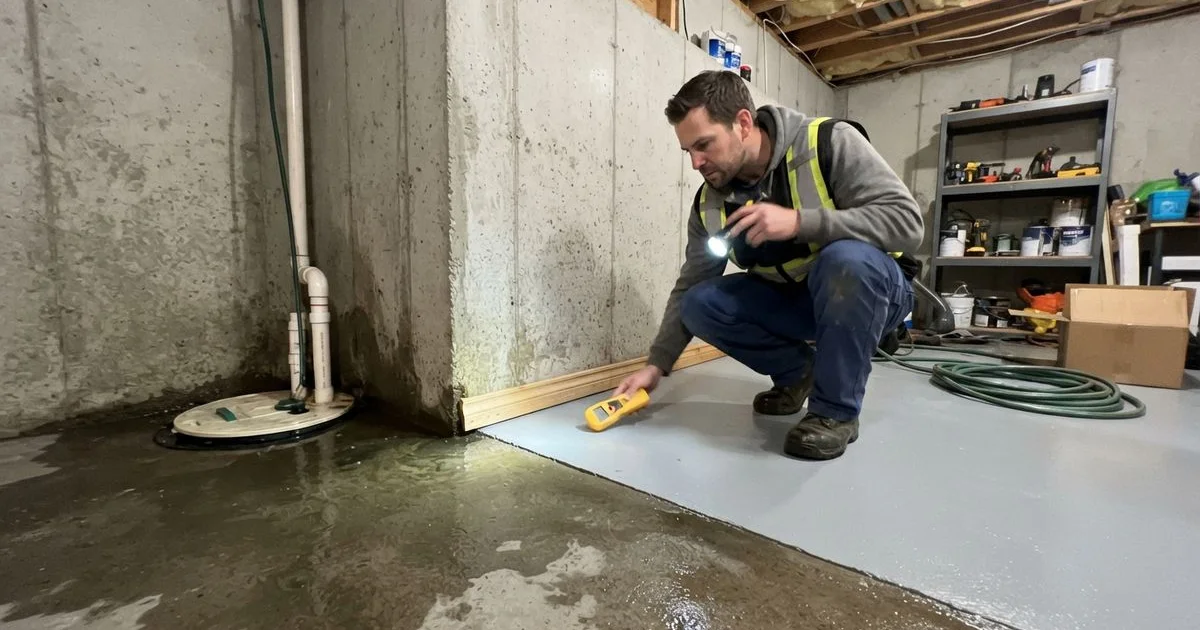
A basement is the one part of most Ontario homes with a real, recurring flood risk, whether from a sump pump failure, a heavy spring rain, or groundwater pushing through an aging foundation. An epoxy-coated floor handles that risk differently than bare concrete, for better and for worse.
The residential epoxy flooring category on the Ontario Epoxy Flooring Directory lists installers experienced with basement-specific moisture challenges, worth checking before booking a basement job specifically.
What a coating changes about flood cleanup
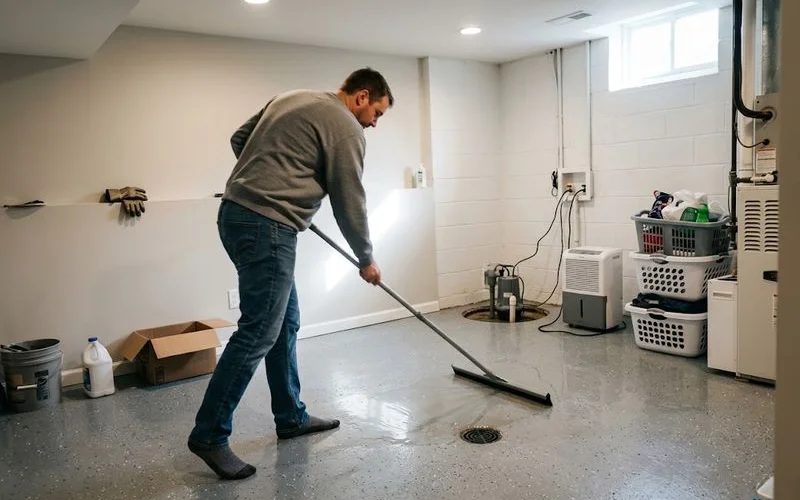
Bare or painted concrete absorbs water and whatever it is carrying, silt, contaminants, mould spores, into its porous surface. That makes flood cleanup slower and less complete, since some of what came in with the water stays trapped in the concrete even after it dries. A sealed epoxy floor keeps water and debris on the surface, where it can be squeegeed, mopped, and disinfected far more thoroughly. This is one of the more practical, underrated reasons homeowners coat a basement floor at all.
What a coating does not do is stop water from getting into the basement in the first place. If the flooding source is a failed sump pump, poor grading, or a foundation crack, that needs fixing separately, the coating only changes what happens to the floor once water is already there.
After a flood: what to check
| Step | What to do |
|---|---|
| Remove standing water quickly | Reduces time for water to find any weak points at edges or seams |
| Dry the space thoroughly | Fans and a dehumidifier, not just air-drying, especially in an enclosed basement |
| Inspect coating edges and seams | Look for lifting or bubbling where water may have gotten underneath |
| Check baseboards and drywall | Water wicking up walls is a separate issue the floor coating does not address |
| Disinfect the surface | A sealed coating makes this step far more effective than on bare concrete |
If the coating itself shows no lifting or bubbling after a flood, it typically does not need recoating, just a thorough clean. Localized lifting at an edge or crack usually means water got underneath the coating and needs patching in that specific spot rather than a full recoat.
Preventing moisture problems before you coat
Basements sit below grade, which means moisture can migrate up through the slab itself even without a flood event, a phenomenon separate from surface flooding. Before coating a basement floor, a thorough installer tests for this moisture vapor coming through the concrete and, if levels are high, uses a moisture-mitigating primer or vapour barrier system underneath the coating. Skipping this test on a basement that has any history of dampness is one of the more common reasons a coating fails prematurely, not from a single flood event but from ongoing moisture pressure from below.
If flooding is a recurring issue
A coating is a floor finish, not a waterproofing fix. If your basement floods more than once every few years, get the underlying cause addressed, sump pump capacity, exterior grading, downspout extensions, foundation cracks, before or alongside a flooring project. A great coating on a basement with an unresolved water intrusion problem just means cleaner-looking recurring floods.
Insurance and documentation
Standard home insurance policies vary widely in how they treat basement flooding, and many exclude overland flooding or sewer backup unless you have added specific endorsements. If your basement has flooded before, check your policy for these endorsements and keep photos and repair records from any past events, since insurers often ask about prior claims history when assessing a new one. This is separate from the flooring itself, but it is worth sorting out before you invest in a coating, since a claim denial after a repeat flood is a bigger financial hit than the cost of the floor.
Choosing an installer who understands basements specifically
Not every installer who does garage floors has the same depth of experience with below-grade moisture issues. When getting quotes for a basement job, ask directly about their moisture testing process and what they do if a test comes back showing elevated vapor levels, a vague answer is a sign to keep looking. If you are weighing this project against an upcoming sale, our guide on coating floors before selling your house covers how buyers typically react to a finished basement floor. Our methodology explains how installers on this directory are rated on basement and moisture-specific experience.
FAQ
- Does an epoxy coating protect a basement floor from flood damage?
- It protects the concrete surface from moisture penetration and makes cleanup after a flood far easier, since water and debris do not soak into the floor the way they would with bare or painted concrete. It does not stop water from entering the basement in the first place.
- Can a flooded epoxy floor be salvaged, or does it need full replacement?
- Most flooded epoxy floors just need thorough cleaning and drying, not replacement. The coating itself is water-resistant once cured. The exception is if water gets underneath the coating through a crack or edge gap, which can cause localized lifting that needs patching.
- How do I know if my basement needs a moisture barrier before coating?
- Basements below grade are more prone to moisture intrusion through the slab itself, not just flooding. A calcium chloride or similar moisture test before installation tells the installer whether a vapour barrier or moisture-mitigating primer is needed underneath the coating.
- Should I wait to coat a basement floor if I've had past flooding issues?
- Address the source of the flooding first, drainage, sump pump function, grading around the foundation, before investing in a coating. A coating protects the floor surface but does not fix an underlying water intrusion problem.