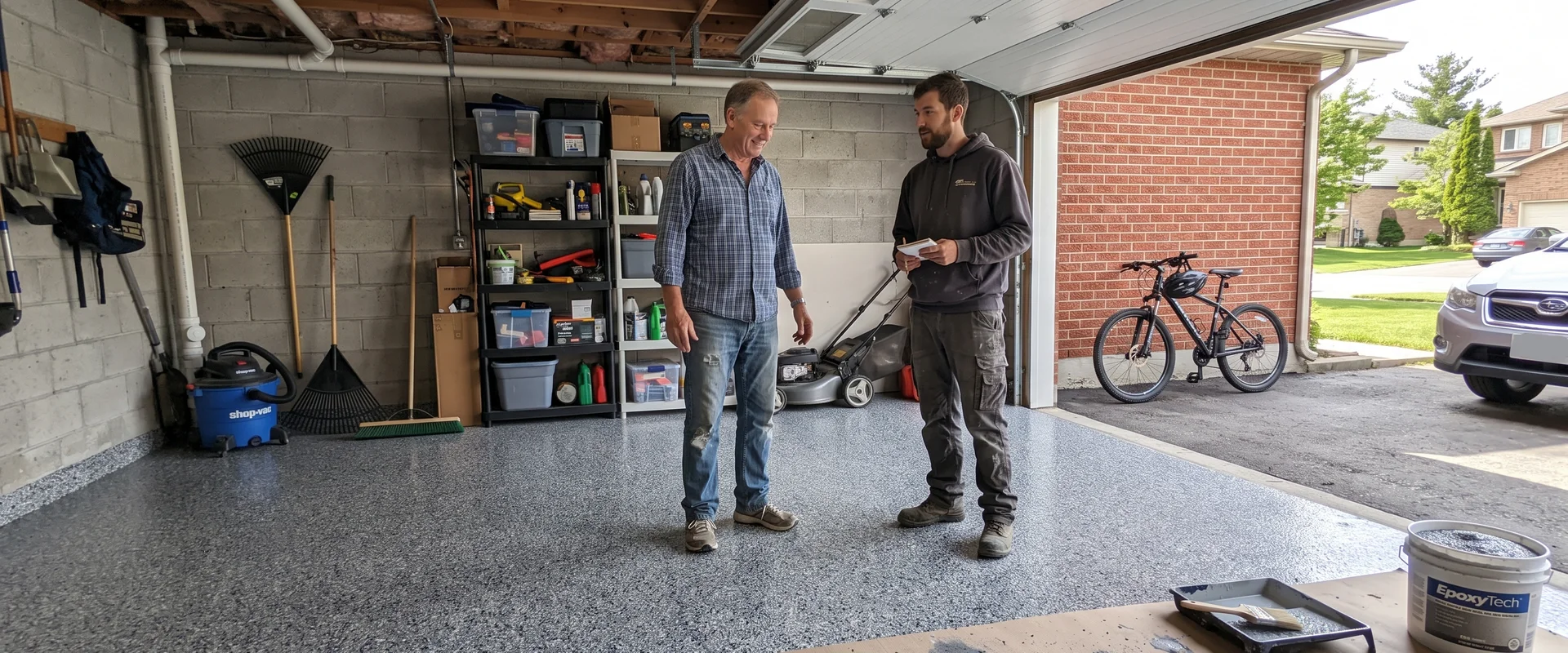
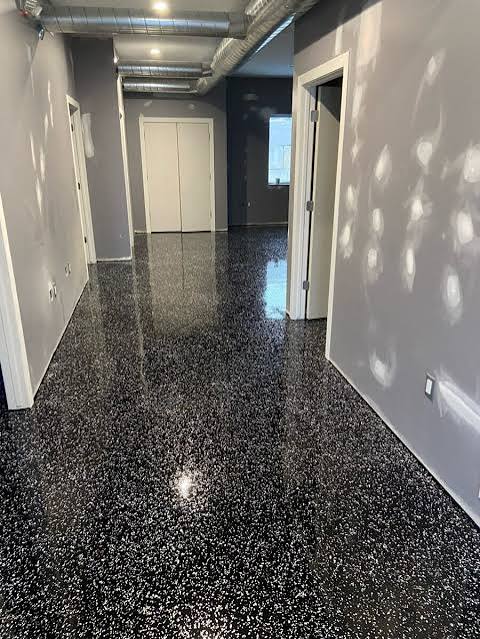
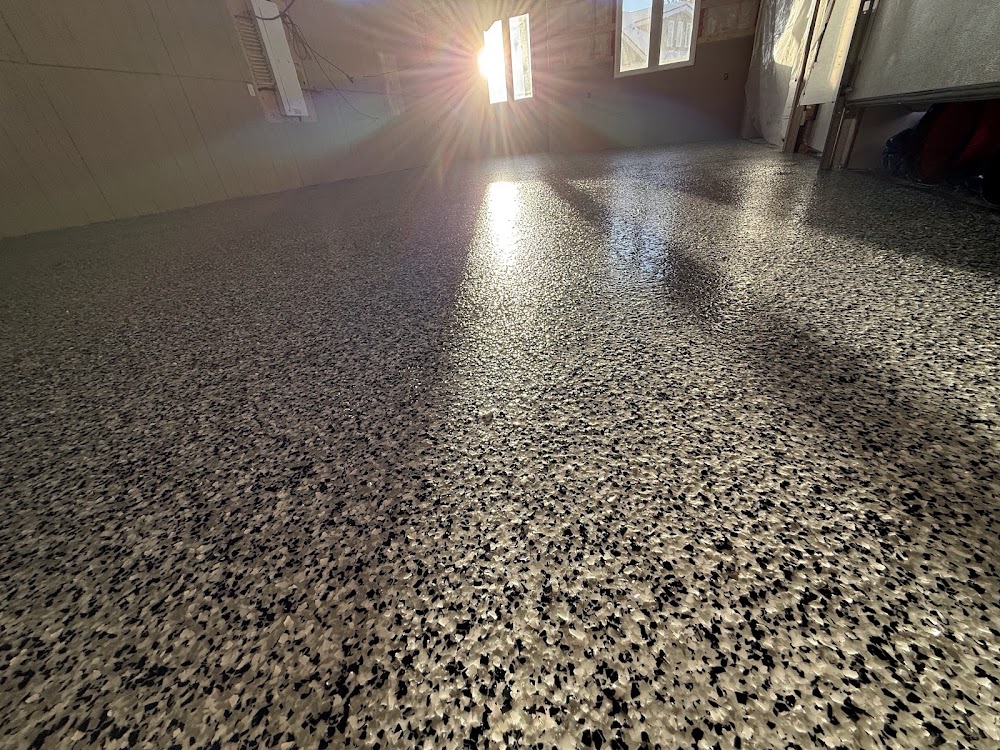
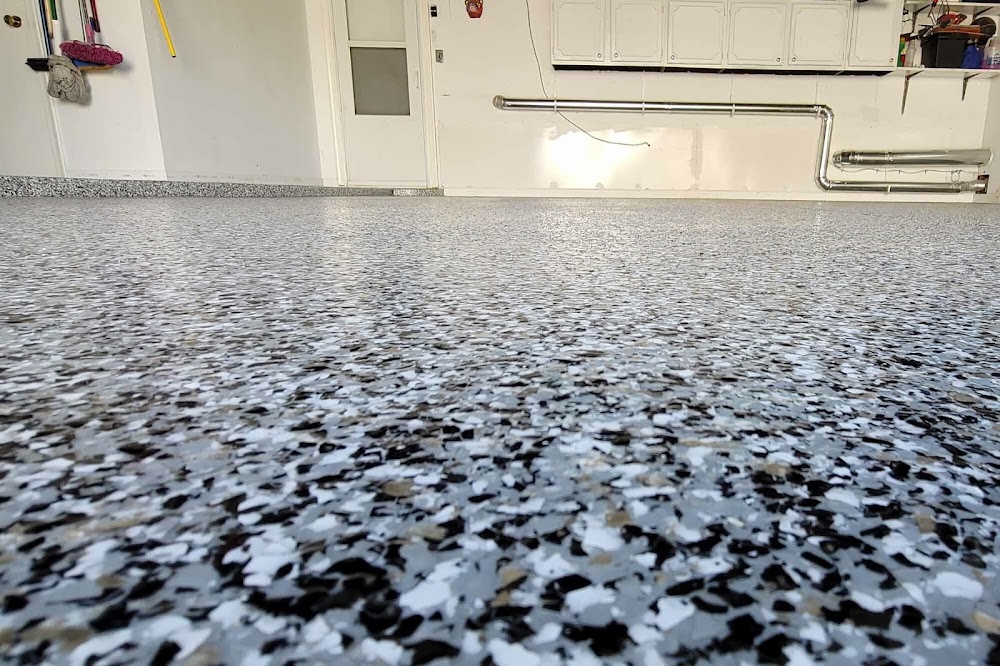
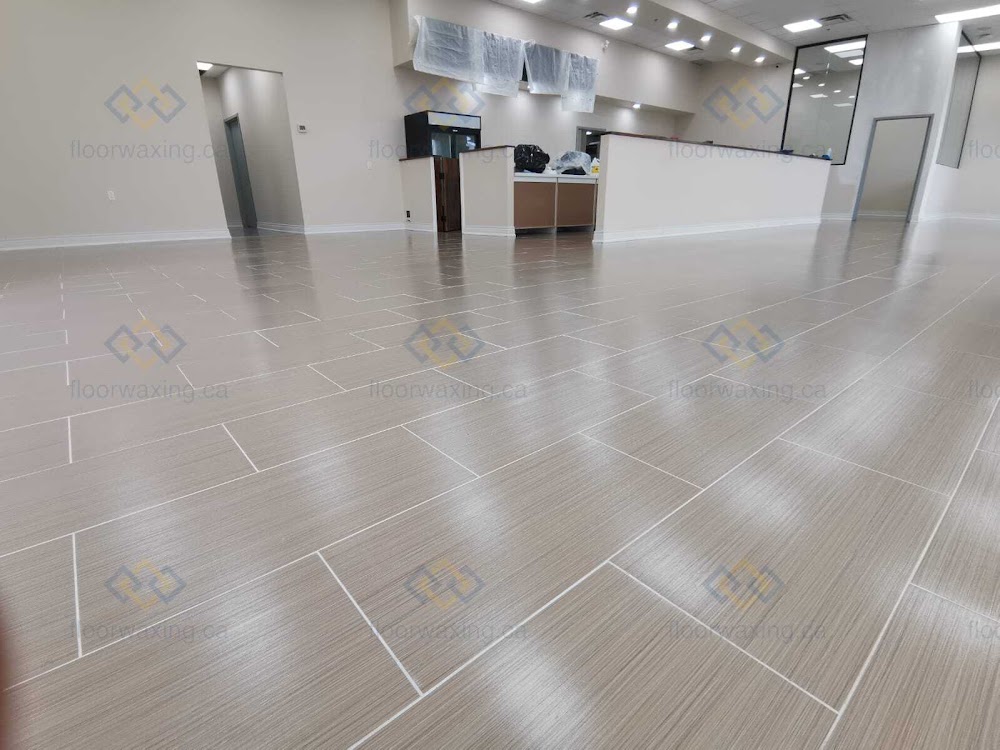
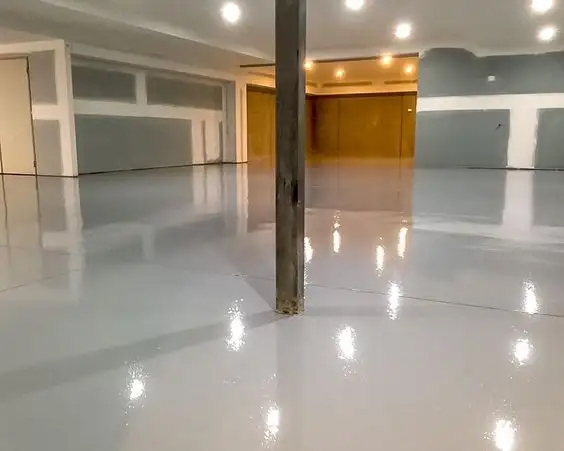
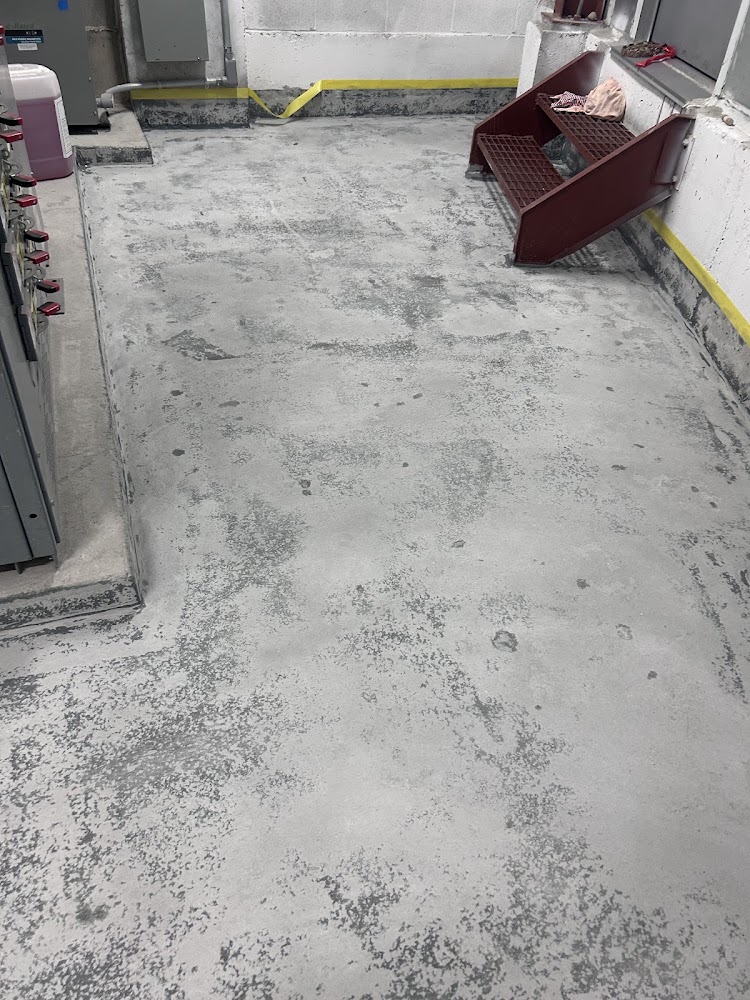
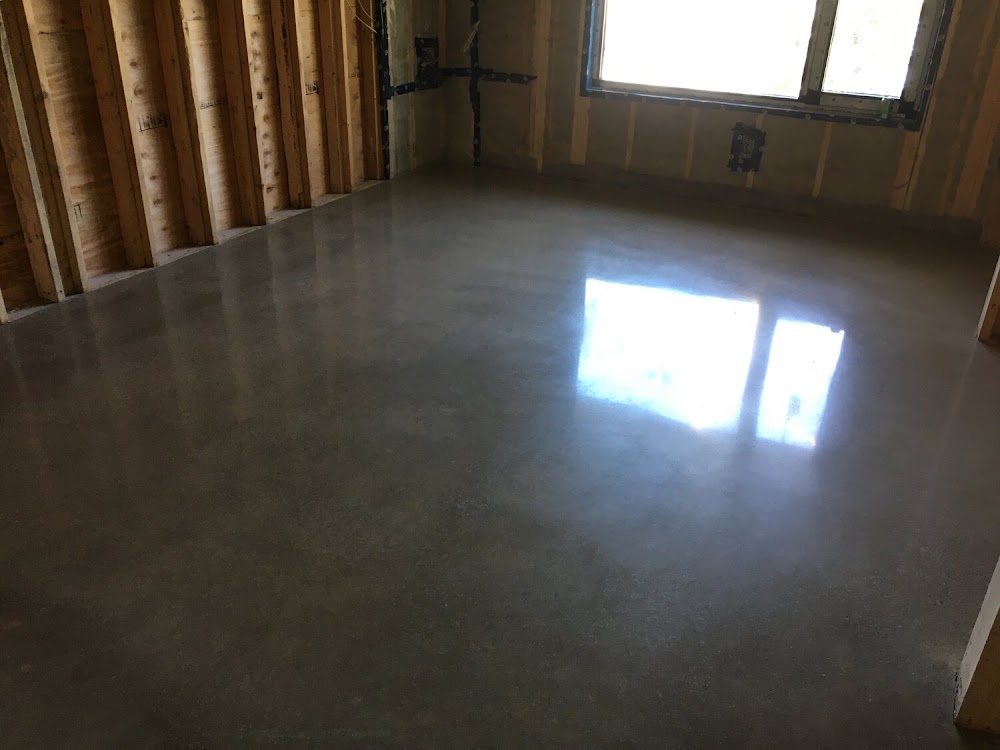
Garage floor coating means stripping down a concrete slab and building up a chemical-resistant surface on top of it, usually epoxy, polyaspartic, or a hybrid of the two. In Toronto, that surface has to handle road salt, sand, meltwater, and the freeze-thaw cycle that runs from November through April. A coating that looks fine in July can bubble or peel by its second winter if it wasn't installed properly, so this is a category where the prep work matters more than the topcoat.
What the job actually involves
A proper installation starts with grinding or shot-blasting the concrete to open its pores, not just acid etching it. Cracks and control joints get filled, moisture levels get checked (this matters a lot on older slabs and homes near grade), and the coating goes on in multiple layers: a primer or base coat, often a broadcast of colour flakes, and a clear topcoat for UV stability and abrasion resistance. Polyaspartic topcoats cure faster and hold up better to salt than straight epoxy, which is why a lot of local crews now use a hybrid system rather than epoxy alone.
What to look for before you hire
- How they handle moisture testing and crack repair, not just whether they mention it
- Whether they grind/shot-blast or rely on acid etching alone
- What topcoat system they use and how it holds up to salt and hot tires
- A written warranty that covers peeling and delamination, not just fading
- Cure time before you can park on it, and full cure time before heavy use
How we score installers
Our ranking weighs review consistency, how installers describe their prep process, warranty terms, and responsiveness to problems after the job. The full breakdown is on our methodology page. For a side-by-side comparison of all 8 companies we track in this category, see our ranked guide to Toronto epoxy flooring companies.